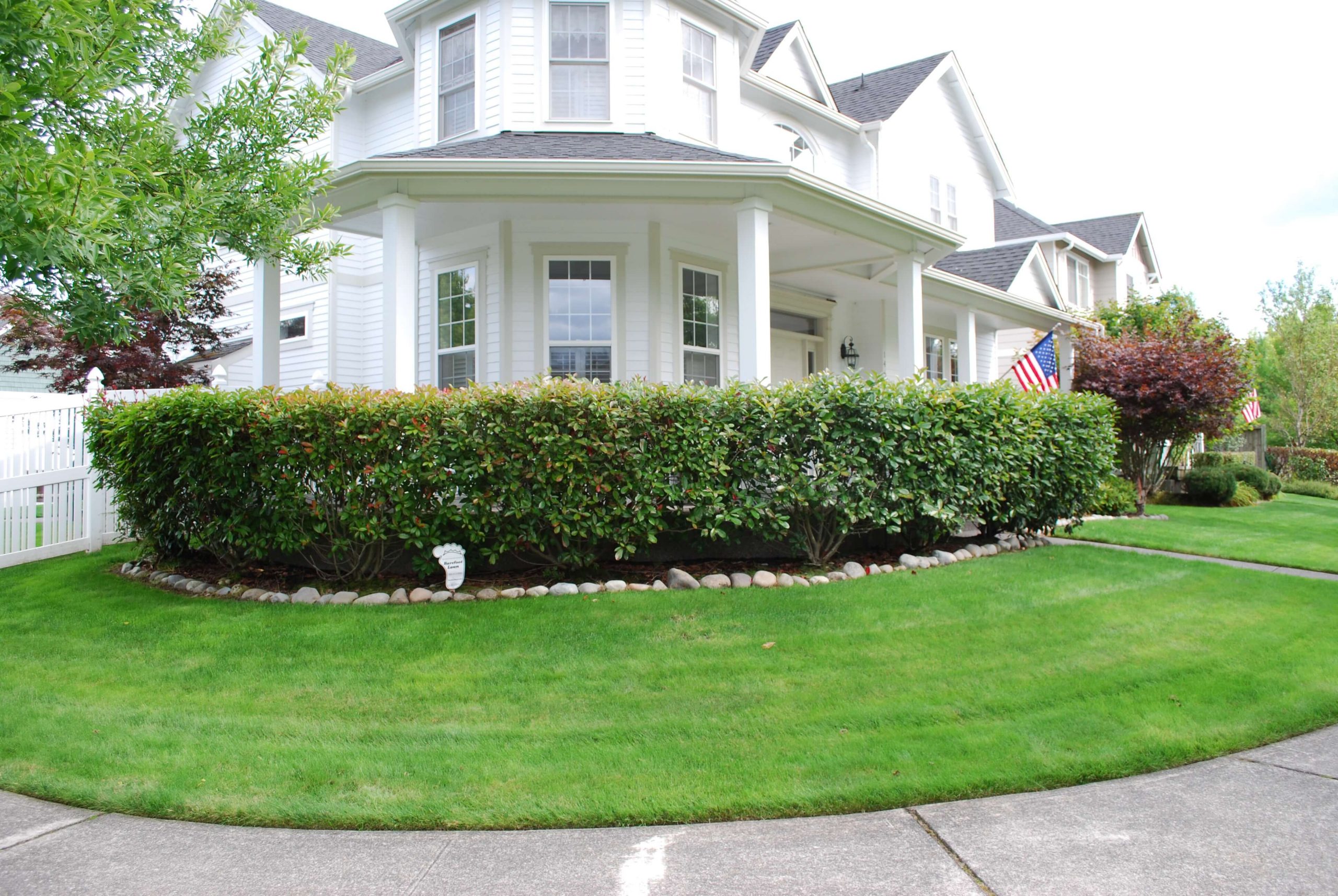
The Hidden Problems Caused by Improper Summer Lawn Watering

Summer watering mistakes don’t announce themselves; they build quietly underground until the damage can no longer be overlooked. Most lawns that turn patchy, fungus-ridden, or completely dead by August weren’t neglected; they were watered wrong. Timing, depth, and frequency; three things most homeowners never give a second thought, often determine whether a yard is lush or needs full restoration.  At Barefoot Lawn, we’ve seen what improper watering does to otherwise healthy yards, and we know exactly how to stop […]

Read more

Early Spring Aeration in Olympia & Lewis County: Yes, or Wait for Fall?

Most homeowners invest in lawn care every season and still watch their grass thin out, drain poorly, and struggle through summer. It’s hard to see the problem, but it’s there: compacted soil that’s been getting tighter since fall, two inches below the surface. When roots can’t breathe, water can’t move, and nutrients can’t penetrate, every dollar spent on fertilizer and watering is largely wasted. Left unaddressed, soil compaction compounds year over year until even aggressive intervention struggles to reverse the damage. Barefoot Lawn has worked with hundreds […]

Read more

How Small Lawn Issues Turn Into Expensive Problems

Your lawn doesn’t just quit on you overnight. It gives you hints first, such as a patch turning yellow here, some weeds taking over there, and puddles that stick around way too long after it rains. Most people figure these things will work themselves out. Spoiler alert: they won’t. What seems like no big deal today turns into a full-blown disaster that costs real money to fix. We’ve seen it happen countless times at Barefoot Lawn; yards […]

Read more

Brown Spots on Your Lawn? Common Causes in Washington Yards

Washington’s unpredictable weather creates a perfect storm for lawn disasters. From the Pacific Northwest’s notorious wet winters that encourage lawn diseases and moss growth to sudden summer heat waves that leave grass turning brown in days, our region’s climate challenges even the most dedicated homeowners. Heavy clay soils retain water during rainy days, which creates an ideal environment for fungal breeding. Compacted earth, on the other hand, stops water from […]

Read more

Granular vs. Liquid Fertilizer

Granular fertilizer and liquid fertilizer both deliver nutrients to the grass plant and each application method can have advantages. Granular fertilizer generally has slow-release nitrogen properties.  Urea granules are coated with sulfur or sprayed with a polymer coating to slow soil microbes from making the nitrogen available to the grass plant or slow the release of dissolved nitrogen through the imperfections in the poly coating. Liquid fertilizer can also have […]

Read more